Luxury In-Home Dining in NJ: What a Private Chef Evening Looks Like
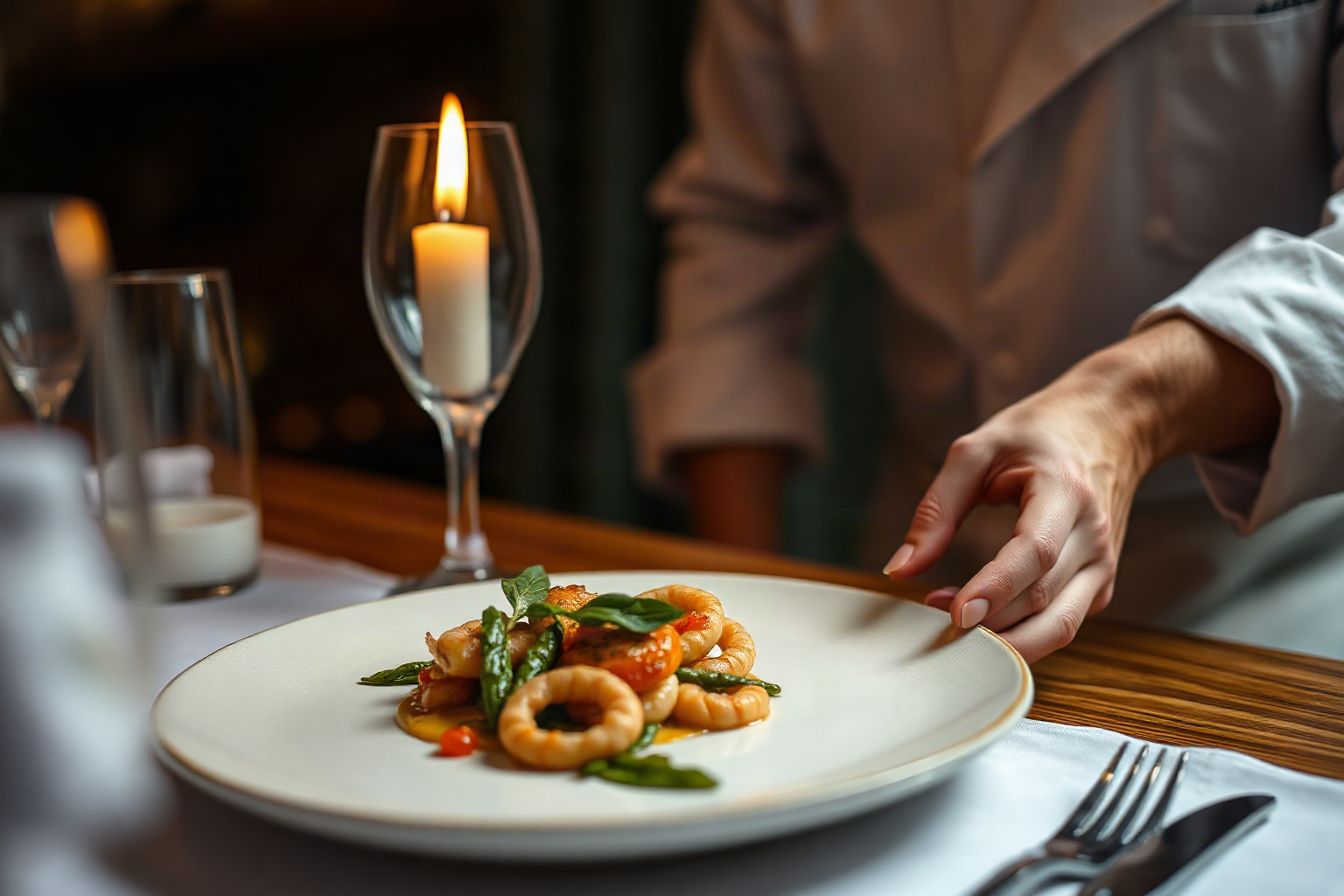
A remarkable dinner party rarely announces itself. It reveals itself slowly — the scent of browned butter and thyme drifting from a kitchen your guests assumed was empty, the quiet confidence of a table set without fuss, the moment a plate lands and conversation stops mid-sentence. Luxury private chef dining in NJ works on exactly that principle: the effort is real, but it is never visible. This guide walks through what an evening actually looks like from the inside — the planning conversations, the sourcing, the service, the pacing, and the practical questions about cost and logistics that hosts ask most often.
What Happens Before the First Guest Arrives at a Luxury Private Chef Dinner?
A private chef evening begins weeks before it begins. The first conversation is rarely about food; it is about people — how many guests, the occasion, who is allergic to shellfish, who doesn't drink, who is training for something. From that, a menu is designed. A host in Bergen County celebrating a milestone birthday might want a seven-course tasting menu with wine pairings; a family gathering in Morris County on a Sunday may prefer four generous courses served family style.
This is where menu design separates a luxury private chef in NJ from a conventional catering operation. Caterers scale recipes; a chef designs a narrative — lighter courses opening the evening, richer ones landing at the peak, a dessert that resolves rather than overwhelms. Sourcing generally happens the morning of, and it shapes what is possible: day-boat scallops, black sea bass, oysters, heirloom produce, whatever the season is offering that week. If a host has a specific ingredient in mind, that conversation happens then — not on the night.
Consider a recent dinner in Essex County for a table of ten. The host's brief was a single sentence: "Make it feel like a restaurant we'd never get a reservation at." The chef's response was a document — a proposed flow of five courses, three wine pairing options at different price points, a note that one guest's shellfish allergy would be handled with a separate pan and separate utensils, and a question about whether the host wanted a cheese course or a lighter intermezzo before dessert. That document is the evening. Everything that follows is execution.
By the time the doorbell rings, the shape of the evening already exists on paper: the number of courses, the timing of each, the wine, the allergens, and where the quiet zones in the kitchen are. That blueprint is the difference between a dinner that feels effortless and one that feels like a production.
What Does the Evening Itself Look Like, From Arrival to Invisible Service?
A chef typically arrives three to four hours before guests. Kitchens are unpacked, mise en place is set, and the host's equipment is assessed — ovens calibrated, burners tested, refrigeration checked. Canapés are assembled so that the first bites are ready the moment the door opens, because the opening ten minutes set the tone for everything after.
The pacing of the meal is the part guests feel but never notice. Courses are released according to the table, not the clock: if a toast runs long, the fish waits. Sauces are finished table-side, plates are cleared without interrupting a story, and the kitchen stays visually calm — no clatter, no open flame theatrics, no conversation competing with the guests'. Between courses, the workspace is wiped down and reset, so that by dessert the room still feels untouched.
There is a specific skill to reading a table. A host who keeps glancing toward the kitchen is signalling that the next course should move; a table deep in a story is signalling that it should not. At one dinner in Monmouth County, a guest's toast ran nearly twenty minutes past its expected length. The chef held the main course, adjusted the sauce to compensate for the delay, and served it without a single guest noticing the timing had shifted. That is the work — invisible, deliberate, and entirely in service of the room.
The mark of a well-run evening is the ending. The kitchen is left cleaner than it was found, leftovers are labelled and stored if the host wants them, and the last plate is cleared without anyone noticing it happened. Hosts remember the food; guests remember how easy the night felt.
How Are Sourcing, Seasonality, and Dietary Needs Handled?
What separates an in-home culinary experience from a restaurant reservation is that the menu can be built around the people at the table — not the other way around. Sustainable seafood sourcing sits at the centre of that approach: day-boat scallops, line-caught bass, and regional oysters chosen from suppliers who can speak to how and where the catch was taken. Seasonality drives the rest, from spring ramps to autumn squash, so the menu tastes of the moment rather than of a freezer.
Dietary needs are treated as design constraints, not compromises. A gluten-free guest, a dairy-free guest, and a guest eating plant-forward can all be served dishes built with equal intention rather than stripped-down versions of someone else's plate. For hosts whose tables include athletes, that same discipline deepens: performance nutrition coaching experience — including work with NFL-level athletes — translates into menus with deliberate protein timing, carbohydrate loads, and recovery-friendly composition that still read as celebratory courses.
A concrete example: a table of eight in Somerset County, two of whom were in-season athletes observing strict macro targets. The menu was designed so that the same plate worked for everyone — a seared bass with a citrus-and-herb dressing, a portion of farro calibrated to the athletes' carbohydrate needs, and a dessert that used Greek yogurt and honey rather than cream. No one at the table ate a "special" meal. Everyone ate the same meal, portioned with intent. That is the standard.
Some hosts extend the experience beyond a single evening. Cooking classes turn a dinner party into a shared activity, with guests learning technique at the counter before sitting down to eat what they made — an increasingly popular format for milestone weekends and multi-generational gatherings.
What Does a Private Chef Evening Cost, and How Do You Plan for 2026?
Transparent pricing is the part most hosts want first. A private chef evening is typically structured per person, with the range driven by course count, protein selection — seafood and premium cuts sit at the higher end — guest count, and travel. Ingredients, labour, setup, and kitchen clean-down are generally included in the quoted figure; alcohol is usually arranged separately by the host. Smaller tables carry a higher per-person rate because the fixed work of preparation does not shrink with the guest list.
To make that concrete: a four-course dinner for twelve guests will land at a lower per-person figure than the same four courses for six, because the sourcing trip, the mise en place, the travel, and the clean-down are largely identical. A seven-course tasting menu with premium seafood and dry-aged beef will sit at the top of the range. A cooking class format — where guests participate rather than simply receive — is typically priced differently again, since the evening runs longer and the instruction is part of the service.
Planning ahead matters more than most people expect. Two to four weeks is comfortable for a standard dinner; holiday weeks, graduation season, and dates near major events across the region fill considerably earlier. Larger corporate events warrant six to eight weeks. Hosts across NJ, NY, and CT increasingly plan around the calendar rather than the reverse, particularly for second homes and destination dining where the kitchen is unfamiliar.
The clear trend for 2026 is smaller, more deliberate gatherings. Hosts are trading packed restaurants for six to twelve guests at their own table, with a single memorable menu and genuine conversation. That shift favours the private chef format, where the room, the timing, and the food all belong to the host.
KEY TAKEAWAYS
- A luxury private chef evening is designed weeks in advance around the guests — their dietary needs, the occasion, and the pacing of the night.
- The visible part is the food; the value is in what guests never see — sourcing, timing, quiet service, and a kitchen left spotless.
- Sustainable seafood and seasonal produce anchor menus, with dietary accommodations built in rather than bolted on.
- Pricing is typically per person and inclusive of ingredients, labour, and clean-up; alcohol is separate, and smaller tables cost more per head.
- Book two to four weeks out for dinners, six to eight weeks for corporate events, and earlier still for holidays.
Frequently Asked Questions
How far in advance should I book a luxury private chef in NJ?
For a standard in-home dinner, two to four weeks gives enough time for menu design and sourcing. Holiday periods, graduation season, and dates coinciding with major regional events can fill one to two months ahead, and corporate events are best secured six to eight weeks out.
Does the chef bring ingredients, equipment, and service staff?
Ingredients, sourcing, and the chef's own specialised tools are typically included. Most chefs work within the host's kitchen and cookware, and for intimate tables a solo chef is common. Larger events may include additional service support to keep courses moving smoothly.
Can the menu accommodate allergies, dietary restrictions, or athletic nutrition goals?
Yes — this is where in-home dining outperforms a restaurant. Allergies are handled with separate pans, utensils, and preparation zones. Dietary restrictions are treated as design constraints, and for athletes, performance nutrition coaching experience allows menus to be built around protein timing, carbohydrate loads, and recovery goals without sacrificing the celebratory feel of the evening.
What does a private chef evening in NJ actually cost?
Pricing is structured per person and varies with course count, protein selection, guest count, and travel. Ingredients, labour, setup, and clean-down are included in the quoted figure; alcohol is arranged separately. Smaller tables carry a higher per-person rate because the fixed preparation work does not shrink with the guest list.
Can the chef work in a second home or unfamiliar kitchen?
Absolutely. A pre-event assessment covers oven calibration, burner function, refrigeration, and available cookware. For destination dining in second homes across NJ, NY, and CT, the chef arrives with the specialised tools needed to deliver the same standard regardless of the kitchen.